
Buying your first home isn’t just a financial decision—it’s an emotional milestone. It’s the moment when “someday” starts turning into “this is really happening.” If you’re thinking about buying your first home in Indiana, you’re probably feeling a mix of excitement, confusion, maybe even a little fear.
That’s completely normal.
Indiana is a fantastic place to start this journey. With its relatively affordable housing market, welcoming communities, and a slower pace of life compared to bigger states, it offers something many first-time buyers are looking for: a chance to build a life without feeling financially suffocated.
This guide is here to walk you through everything—step by step—with clarity, honesty, and a human touch.
Table of Contents
Step 1: Sit With the Idea—Why Do You Want to Buy?
Before you look at listings or talk to lenders, pause.
Ask yourself:
- Why do I want to buy a home?
- Am I ready for the responsibility?
- What kind of life do I want in the next 5–10 years?
Because here’s the truth: buying a home isn’t just about money—it’s about commitment.
Maybe you’re tired of rent going up every year.
Maybe you want a backyard for your dog.
Maybe you want stability… a place that feels like yours.
Whatever your reason, anchor yourself in it. It will help you stay grounded when the process feels overwhelming.
Step 2: Understand the Indiana Housing Market
Indiana is often described as one of the most affordable housing markets in the U.S.—and that’s largely true.
But affordability doesn’t mean you can skip research.
Key things to know:
- Median home prices vary widely:
- Indianapolis: moderate and rising
- Smaller towns: significantly lower
- Property taxes in Indiana are relatively low compared to many states
- Cost of living is below the national average
Local differences matter:
- Urban areas = more competition, higher prices
- Suburban areas = balance of price and lifestyle
- Rural areas = affordability, but fewer amenities
Take time to explore areas like:
- Indianapolis (urban + suburban mix)
- Fort Wayne (growing and affordable)
- Bloomington (college town vibe)
- Carmel & Fishers (higher-end suburbs)
This is where your lifestyle starts shaping your decision.
Step 3: Get Your Finances in Order (Without Panicking)
Let’s be honest—this is the part most people dread.
But it doesn’t have to be scary.
What lenders look at:
- Credit score
- Income stability
- Debt-to-income ratio (DTI)
- Savings
What you should do:
- Check your credit score (aim for 620+, ideally 700+)
- Pay down high-interest debt
- Avoid big purchases (no new car loans right now)
- Start saving aggressively
Hidden truth:
You don’t need to be perfect—you just need to be prepared.
Step 4: Figure Out What You Can Actually Afford
This step is where dreams meet reality—and that’s a good thing.
Don’t just think:
“What’s the maximum I can borrow?”
Instead ask:
“What monthly payment lets me sleep peacefully at night?”
Include:
- Mortgage payment
- Property taxes
- Insurance
- Maintenance (yes, things will break)
A good rule:
👉 Keep housing costs under 25–30% of your monthly income
Because owning a home should feel empowering—not suffocating.
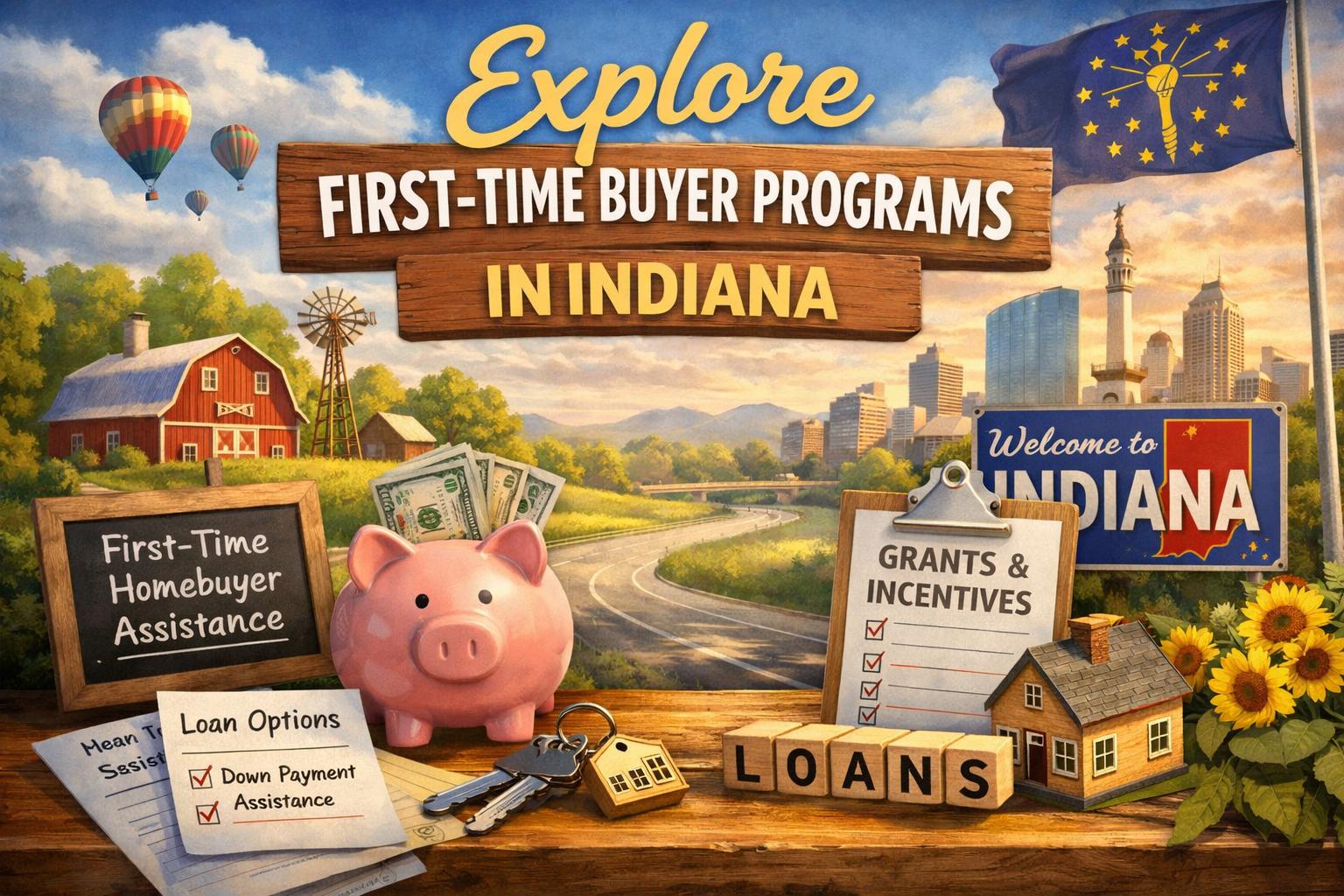
Step 5: Explore First-Time Buyer Programs in Indiana
Here’s something many people don’t realize:
👉 There is help available.
Indiana offers several programs designed specifically for first-time buyers.
Indiana Housing & Community Development Authority (IHCDA):
- Down payment assistance
- Lower interest rates
- Tax credits (in some cases)
Common benefits:
- Assistance with closing costs
- Reduced upfront burden
- More accessible entry into homeownership
This step alone can save you thousands.
Don’t skip it.
Step 6: Get Pre-Approved (Not Just Pre-Qualified)
This is a big moment.
Getting pre-approved means:
- A lender has reviewed your finances
- You know your price range
- Sellers take you seriously
Why it matters emotionally:
Because suddenly… it feels real.
You’re not just browsing anymore.
You’re a buyer.
Tip:
Shop around with at least 2–3 lenders. Even a small difference in interest rate can save you a lot over time.
Step 7: Find a Real Estate Agent Who Actually Gets You
Not all agents are the same.
You want someone who:
- Listens more than they talk
- Understands first-time buyer anxiety
- Knows the Indiana market well
- Doesn’t pressure you
Because this process will test your patience—and your emotions.
The right agent doesn’t just help you find a house.
They help you stay sane while doing it.
Step 8: Start House Hunting (The Emotional Rollercoaster Begins)
This is the fun part… and the frustrating part.
You’ll:
- Fall in love with homes you can’t afford
- Find “perfect” houses that disappear overnight
- Question your choices
And that’s okay.
What to focus on:
- Location first
- Structure and condition
- Long-term livability
What to be flexible about:
- Paint colors
- Cosmetic issues
- Minor imperfections
Because no home is perfect.
But one will feel right.
Step 9: Make an Offer (And Prepare for Emotions)

When you find “the one,” things move fast.
Your offer includes:
- Purchase price
- Contingencies (inspection, financing, etc.)
- Earnest money deposit
Possible outcomes:
- Accepted (best feeling ever)
- Rejected (it hurts, but you’ll recover)
- Counteroffer (negotiation time)
This is where your agent becomes invaluable.
And remember:
👉 Rejection isn’t failure—it’s redirection.
Step 10: Home Inspection—Reality Check Time
Once your offer is accepted, you’ll schedule an inspection.
This is where the house reveals its secrets.
Common findings:
- Roof issues
- Plumbing concerns
- Electrical updates needed
Don’t panic.
Every house has issues.
Your options:
- Negotiate repairs
- Ask for credits
- Walk away (if necessary)
This step protects you. It’s not meant to scare you.
Step 11: Finalize Your Loan & Appraisal
Now things get serious.
Your lender will:
- Verify everything again
- Order an appraisal
Appraisal = market value check
If the appraisal is lower than your offer:
- You may renegotiate
- Or cover the difference
This step can feel stressful, but you’re close now.
Very close.
Step 12: Closing—The Finish Line (Almost)
Closing day is emotional.
You’ll sign what feels like a mountain of paperwork.
What you’ll do:
- Pay closing costs
- Finalize the loan
- Get your keys
And just like that…
You’re a homeowner.
Step 13: The First Night Feels Different
This part doesn’t get talked about enough.
That first night in your home?
It’s quiet.
Maybe a little surreal.
You might sit on the floor because you don’t have furniture yet.
And suddenly it hits you:
👉 This is yours.
Not rented.
Not temporary.
Not someone else’s.
Yours.
Common Mistakes to Avoid
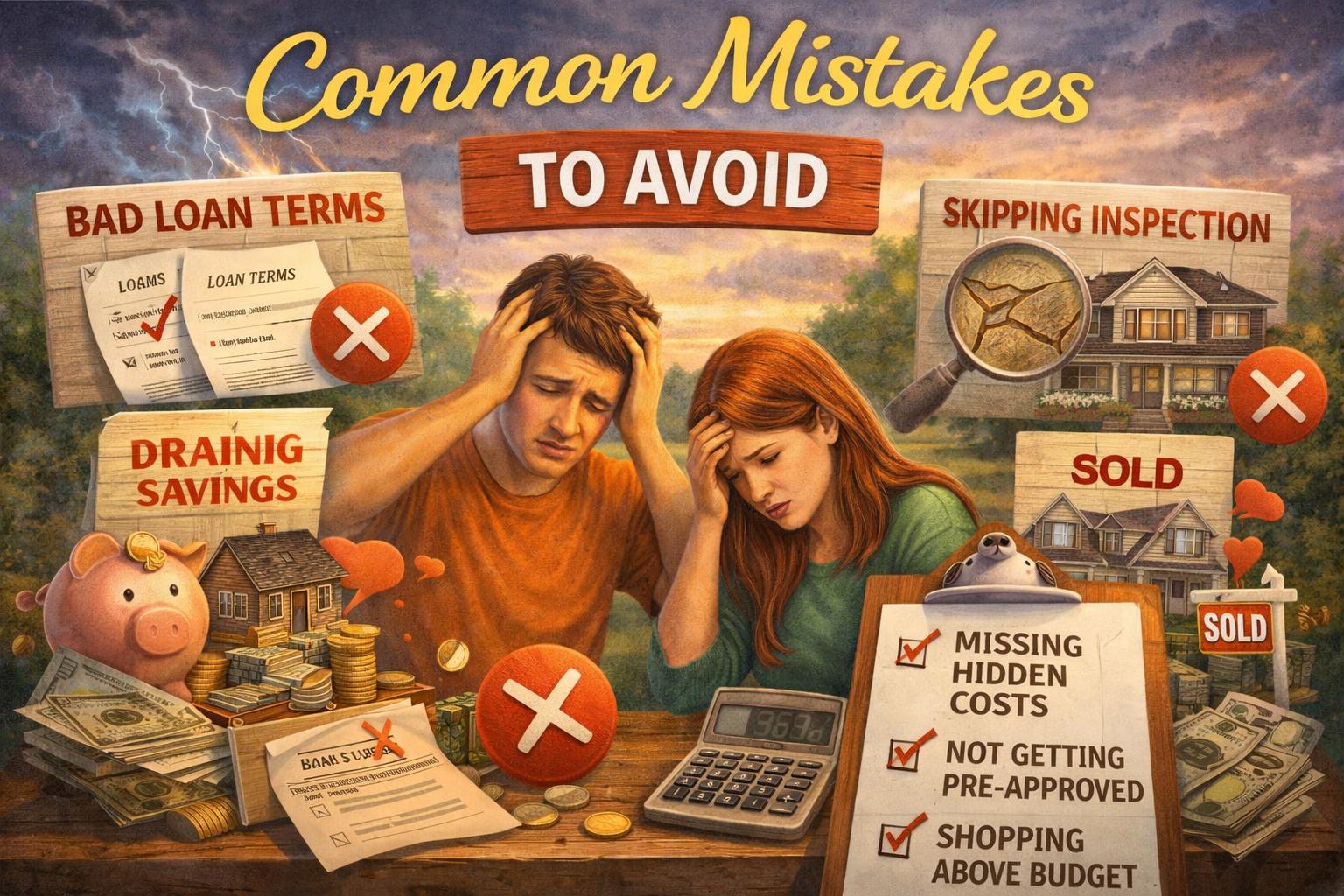
Let’s save you some future stress:
1. Rushing the process
Take your time. This is a big decision.
2. Ignoring total costs
Mortgage isn’t everything—maintenance adds up.
3. Skipping inspection
Never do this. Ever.
4. Letting emotions control everything
Feel, but also think.
Why Indiana Is a Great Place for First-Time Buyers
There’s something special about starting here.
- Affordable entry point
- Strong communities
- Room to grow
- Less pressure than high-cost states
It’s not just about buying a house—it’s about building a life you can actually sustain.
Final Thoughts: It’s Okay to Be Nervous
If you’re feeling overwhelmed, that’s a good sign.
It means you care.
Buying your first home in Indiana isn’t just a transaction—it’s a transformation. You’re stepping into responsibility, stability, and something deeply personal.
You don’t need to have everything figured out.
You just need to take the first step.
If You Take One Thing From This Guide…
Let it be this:
👉 You don’t have to be perfect to buy your first home.
👉 You just have to be ready to start.